Fort Thomas Sewer Pros
CIPP Pipe Lining in Fort Thomas, KY
CIPP pipe lining in Fort Thomas, KY relines cracked clay or cast iron sewer pipe without digging. Free estimates: (502) 747-1439.
- 15+ Years local experience
- 500+ Projects completed
- Licensed & Insured
Serving Fort Thomas and nearby communities.
Toilet gurgling again after a snake job that didn't hold? That's usually the pipe itself failing somewhere along the line, not a clog that keeps coming back. CIPP (cured-in-place pipe) lining fixes that by building a new pipe inside the old one, which fits well with Fort Thomas's original clay and cast iron laterals that are structurally sound enough to line rather than replace outright.
Fort Thomas Sewer Pros runs a camera first to confirm the pipe is a good lining candidate before recommending it. Lining works through one or two small access points, which keeps the yard and driveway intact on the tighter, sloped lots common in the city's older residential streets.
What's included
What's included with CIPP Pipe Lining
Typically included: pre-lining camera inspection, pipe cleaning, liner installation and cure, post-cure camera verification. Optional: end-seal finishing at lateral connections, root treatment before lining. Customer prep: keep water use to a minimum on the day of install so the liner cures without interruption.
Want a clearer scope?
Get a Free EstimateHow it works
How our CIPP Pipe Lining process works
 Step 1
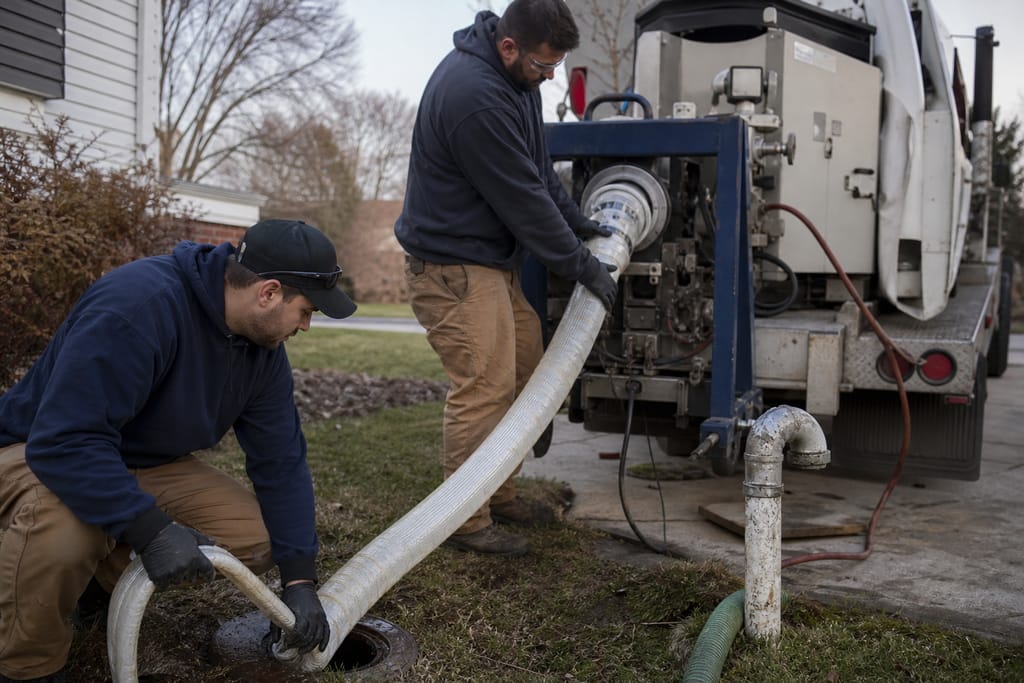
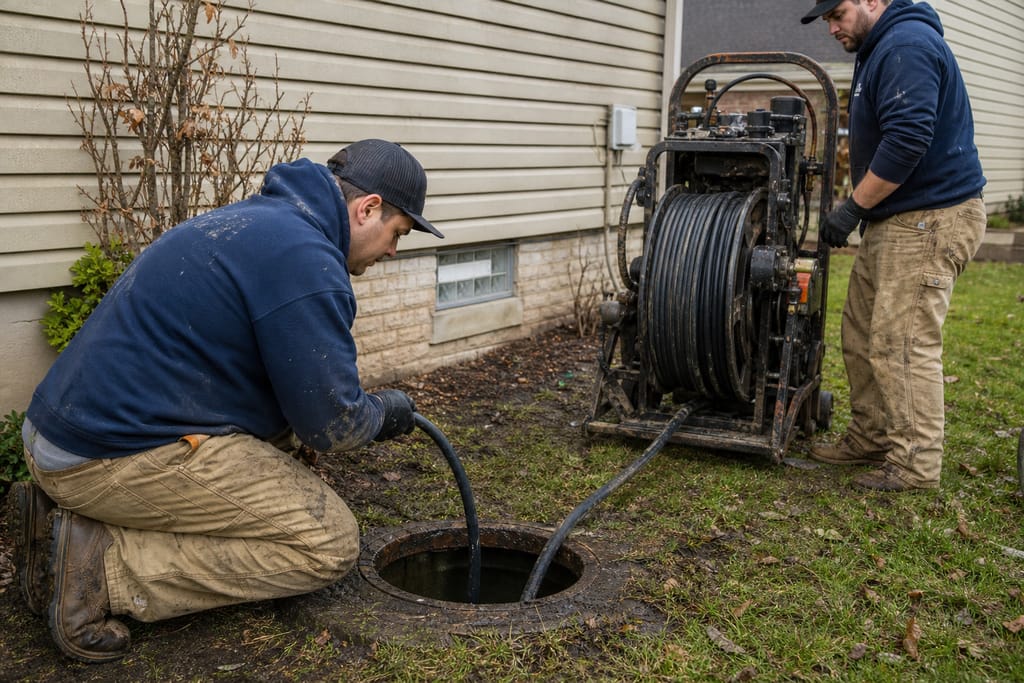
Pipe Cleaning
The existing pipe is thoroughly cleaned to remove debris and prepare the surface for lining.
 Step 2
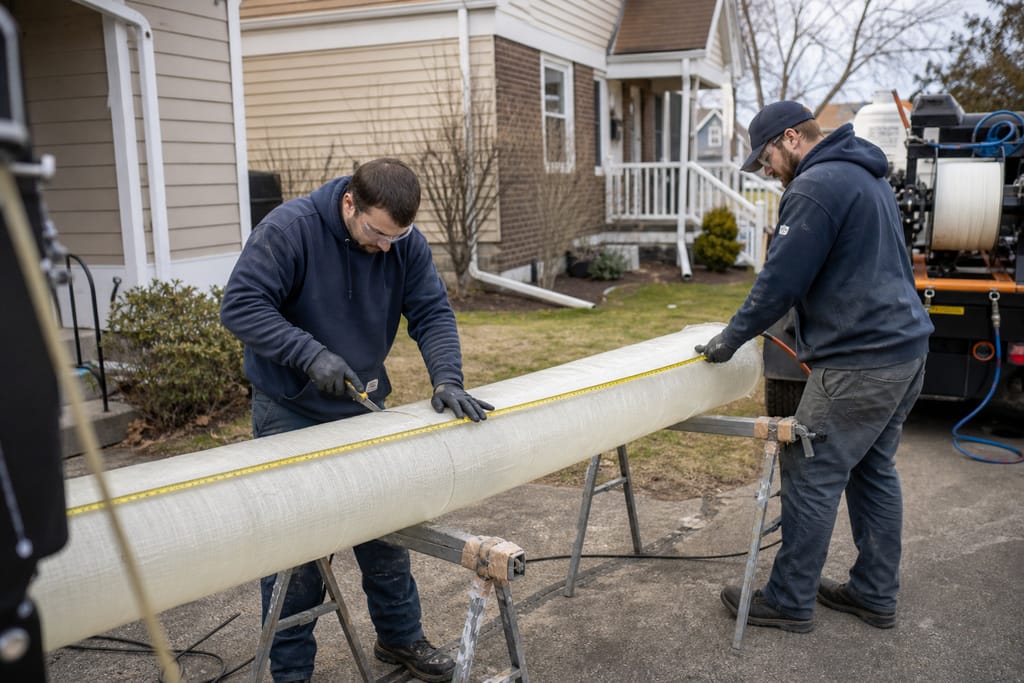
Liner Measurement
Precise measurements ensure the liner fits the exact length and diameter of the pipe.
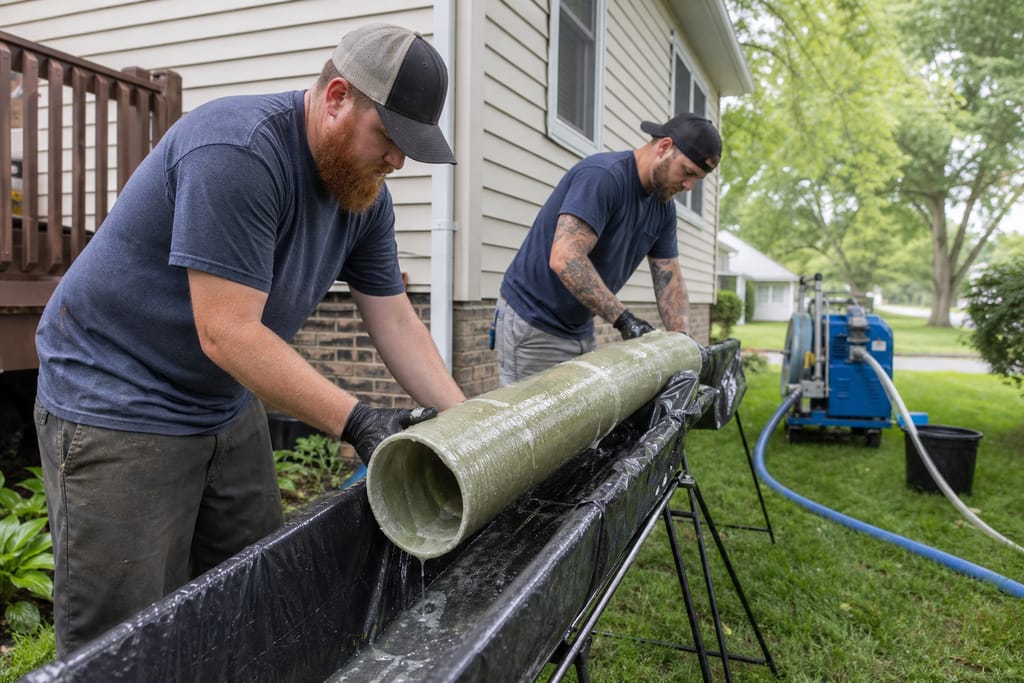 Step 3
Resin Saturation
The liner is saturated with resin to prepare it for insertion and curing.
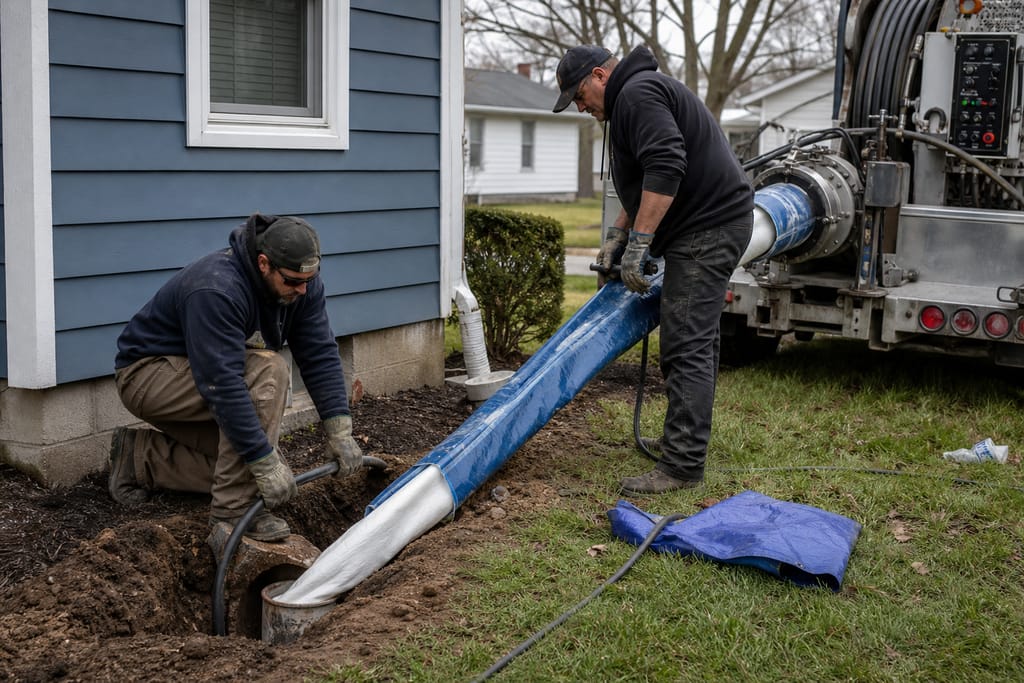 Step 4
Liner Insertion
The saturated liner is inserted into the host pipe using air or water pressure.
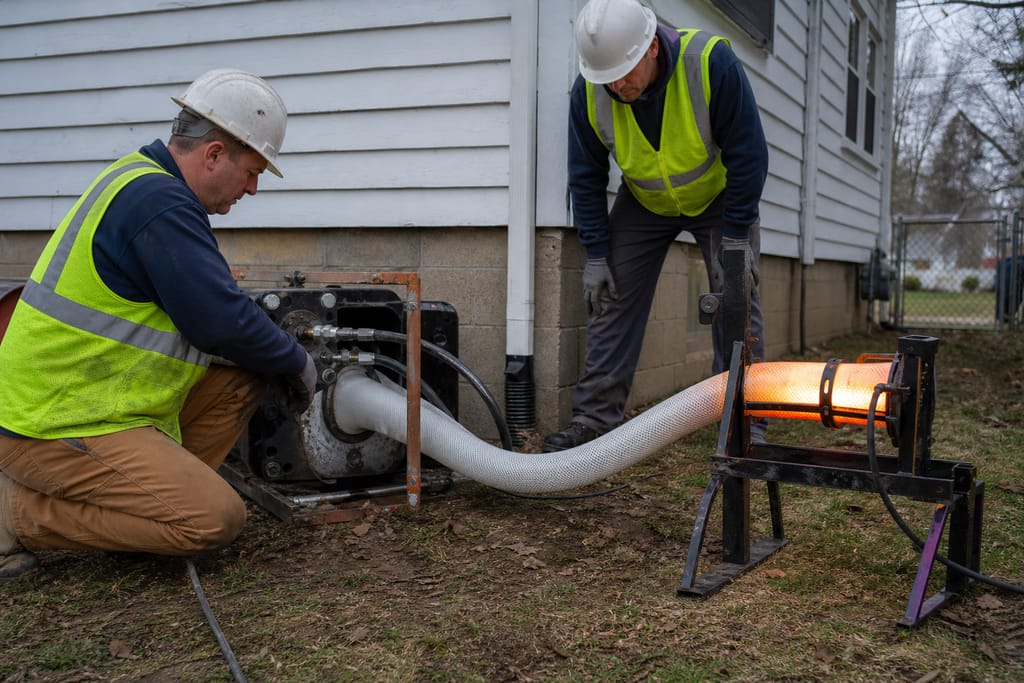 Step 5
Curing Process
Heat, UV light, or ambient curing hardens the liner into a solid new pipe wall.
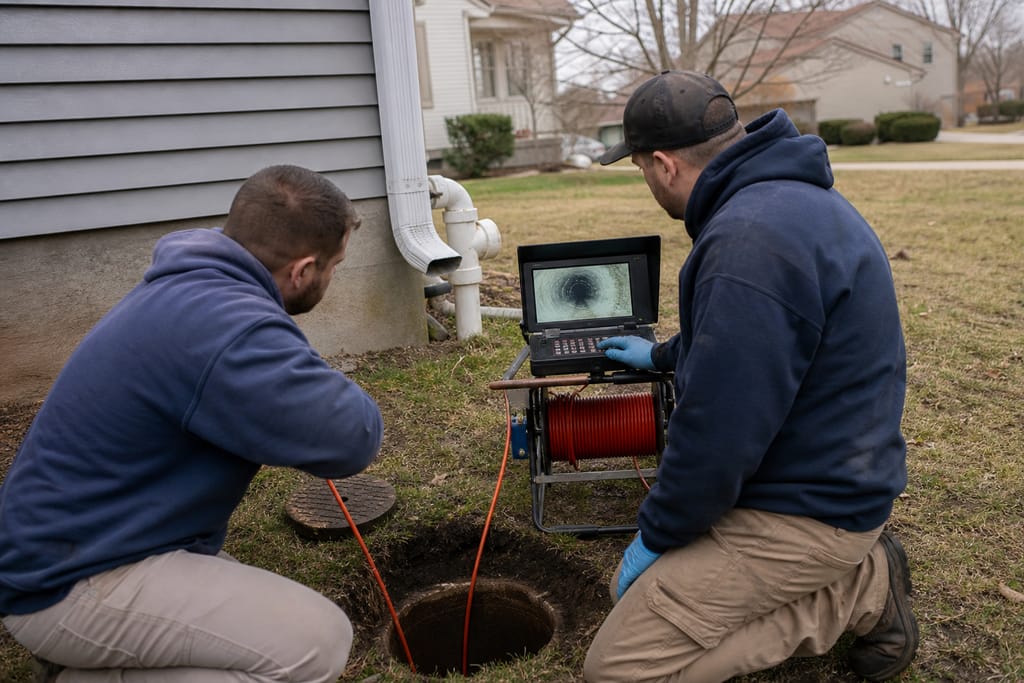 Step 6
Final Inspection
A camera inspection confirms the cured liner is smooth and properly bonded.
Materials
Materials and methods for CIPP Pipe Lining
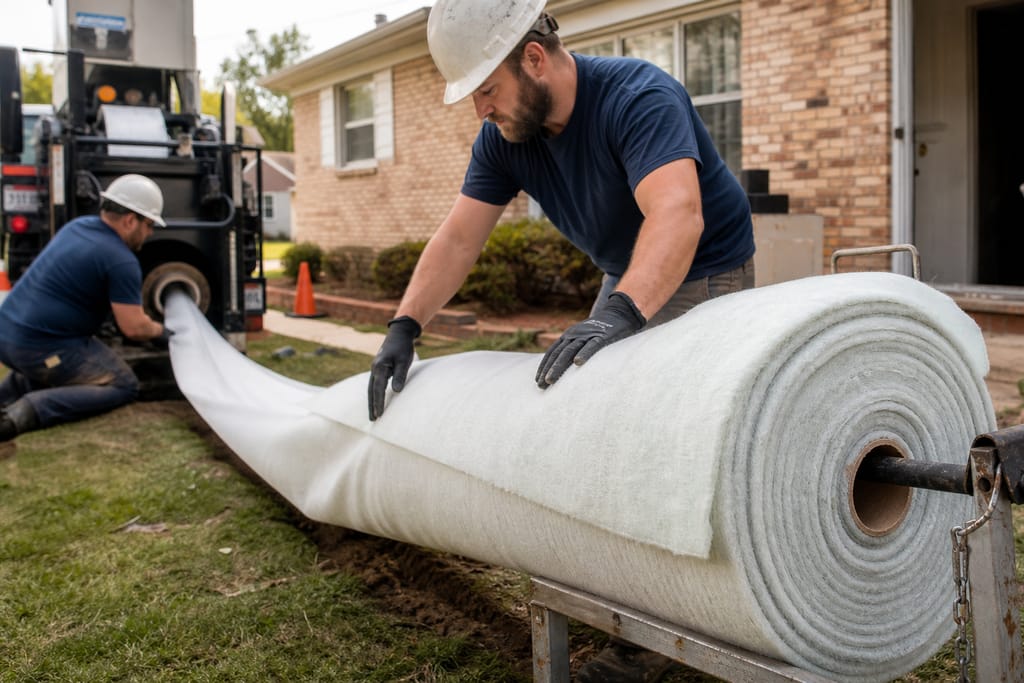
Felt Liner Tubes
The felt base gives the liner enough structure to hold its shape as it cures inside an old clay or cast iron lateral.
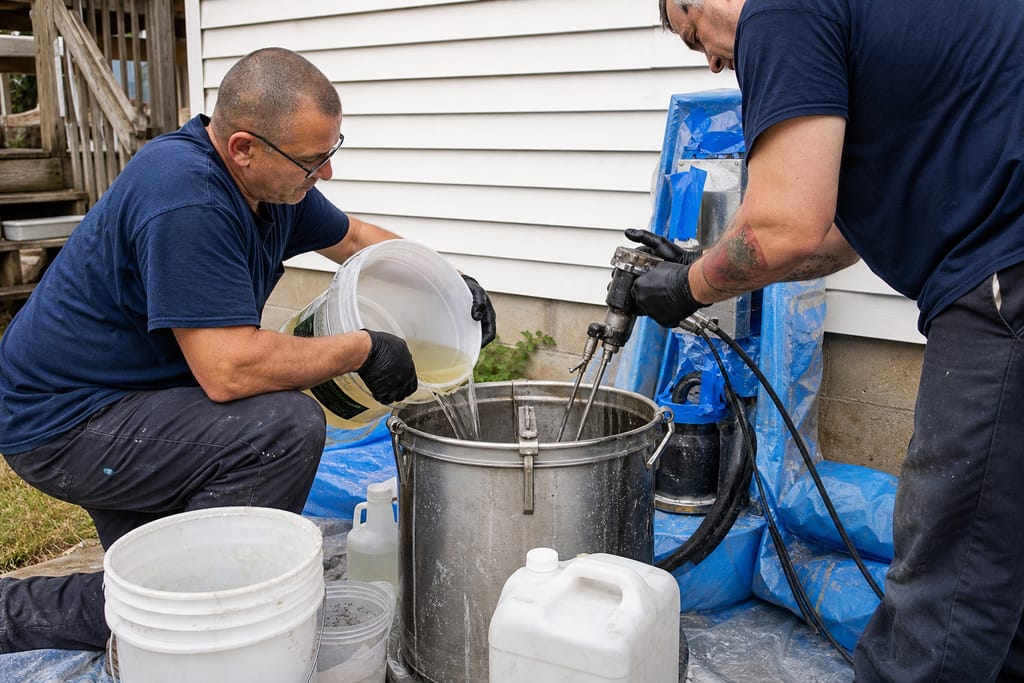
Epoxy Resin Blends
Resin formulated for sewer-grade chemical exposure handles decades-old pipe conditions without breaking down.
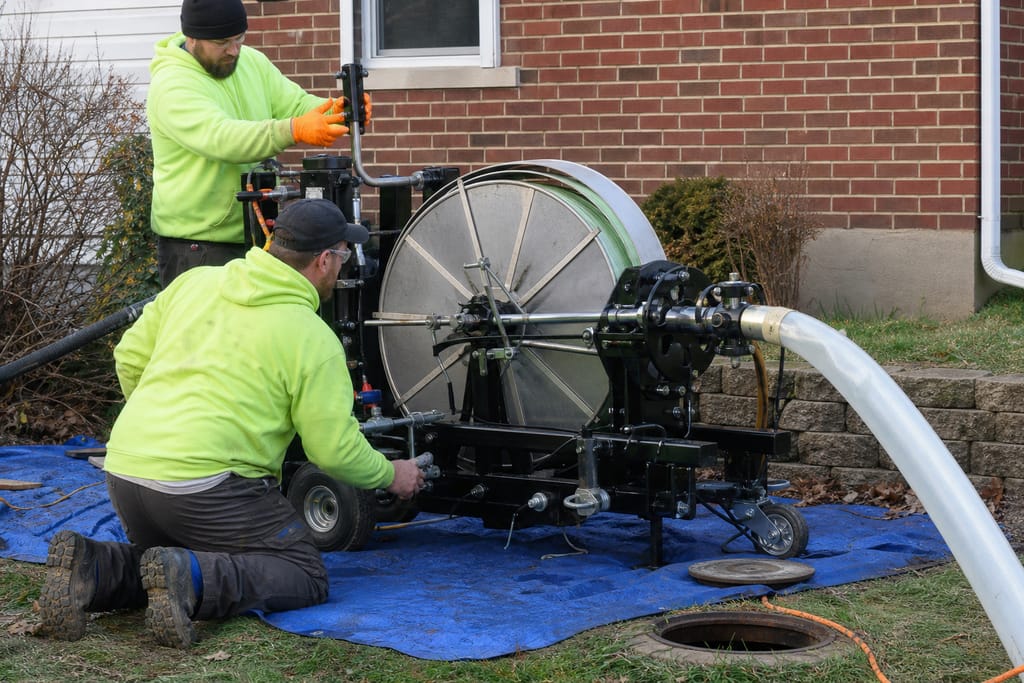
Inversion Equipment
Inversion drums turn the liner inside out as it's fed in, which keeps install disruption to one small access point on a sloped lot.
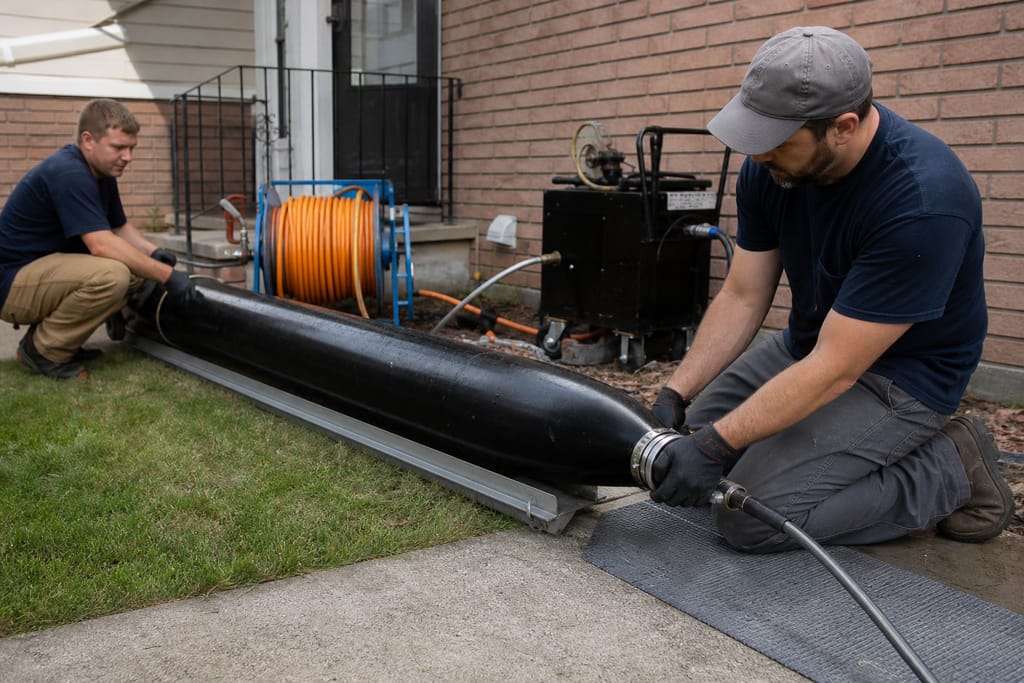
Calibration Tubes
These press the liner tight against the original pipe wall so there's no gap where roots could re-enter at a joint.
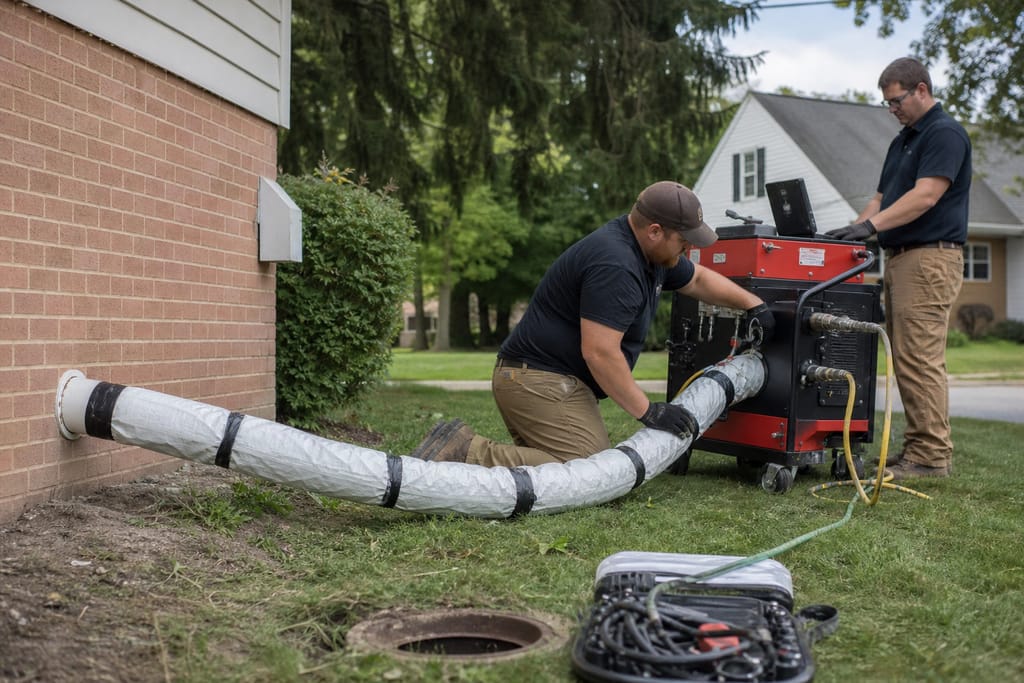
Heat Curing Units
Heat accelerates the cure so a typical residential line is finished same day.
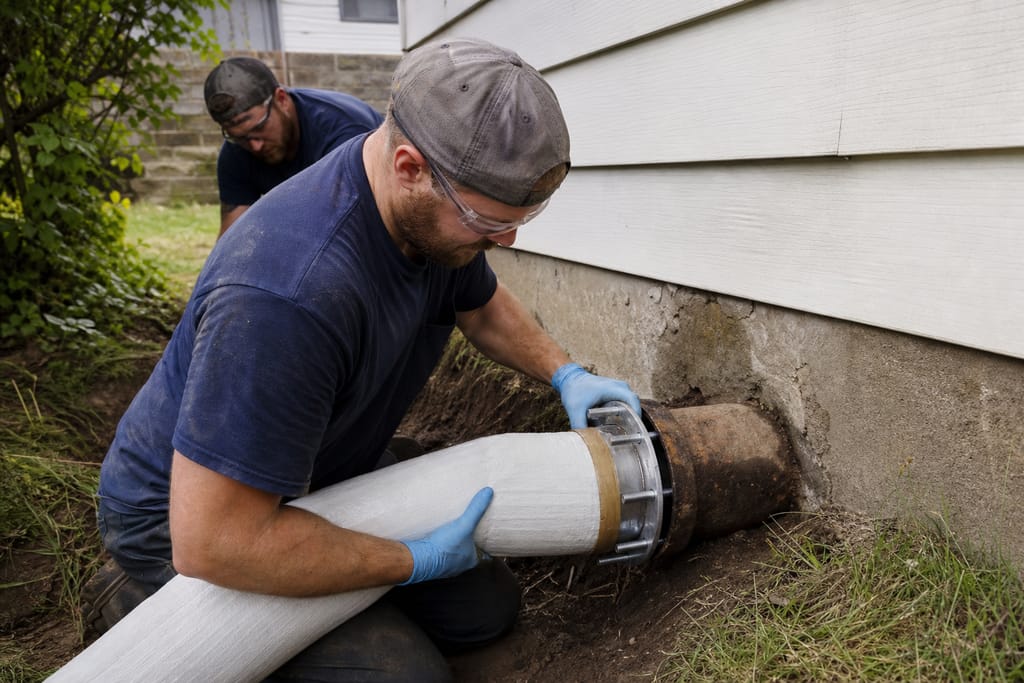
End Seal Fittings
Finishing fittings seal each end cleanly where the liner meets an existing cleanout or lateral connection.
Questions on materials?
Get a Free EstimateWhen to call
When to call for CIPP Pipe Lining
Call (502) 747-1439 for a camera inspection before the problem spreads further down the line.
- Recurring backups after a snake job that only buys a few weeks of relief.
- Root hair showing up in camera footage at multiple joints along an older clay line.
- Slow drains across more than one fixture, pointing to a main line issue rather than a single clog.
Seeing warning signs?
Get a Free EstimateFAQs
CIPP Pipe Lining FAQs
Is trenchless sewer repair worth it?
For a structurally sound pipe with cracks or root intrusion at joints, lining is usually cheaper and less disruptive than digging up the yard, and it holds up as long as a new pipe when installed correctly.
What are the disadvantages of trenchless pipe lining?
Lining reduces the pipe's inside diameter slightly, it won't work on a fully collapsed section, and if a joint isn't fully sealed during install, roots can occasionally find their way back in over time.
Can tree roots come back after CIPP lining?
Properly cured liner with sealed ends significantly reduces regrowth at joints, but it's not an absolute guarantee on every old clay connection, especially near mature trees.
Will trenchless repair work if my sewer line is cast iron or clay?
Lining is one of the most common fixes for both materials as long as the pipe hasn't fully collapsed. We confirm candidacy with a camera inspection first.
Do I need a permit for CIPP pipe lining?
Inline lining inside an existing pipe usually doesn't require a permit, but it's worth checking with your city or county before scheduling.
How long does CIPP pipe lining take?
Most residential jobs finish in a single day from camera inspection through cure.
Before & after
Before and after CIPP Pipe Lining results
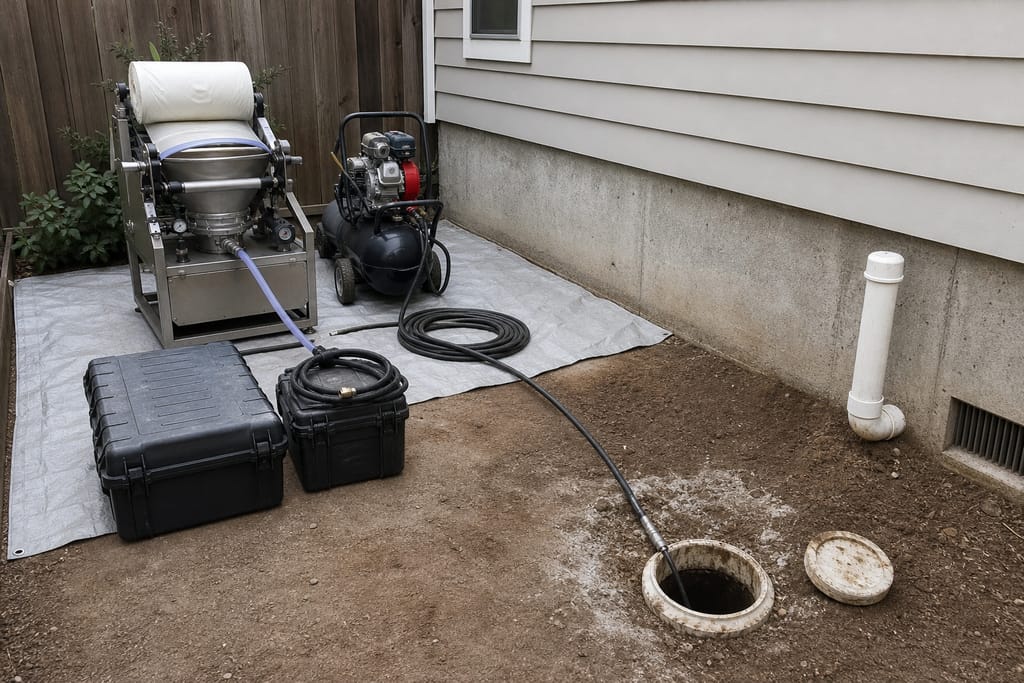
Before 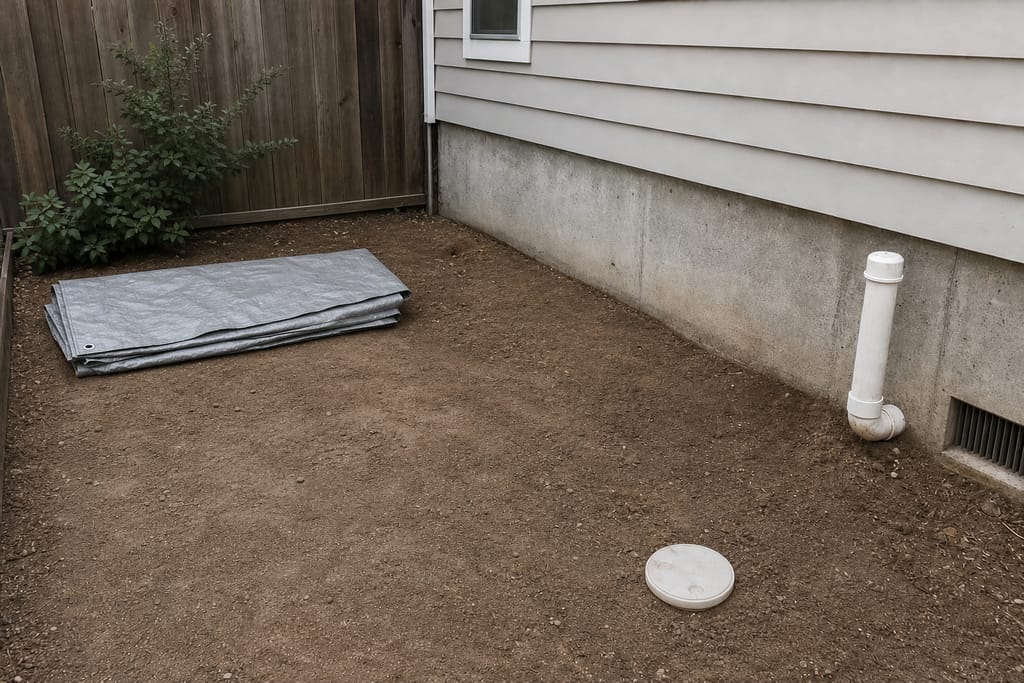
After
Next step
Get a CIPP Pipe Lining estimate in Fort Thomas
Call (502) 747-1439 or request a free estimate, and we'll confirm lining is the right fit before quoting.
More services
Other Trenchless Sewer Repair services
Trenchless Sewer Repair
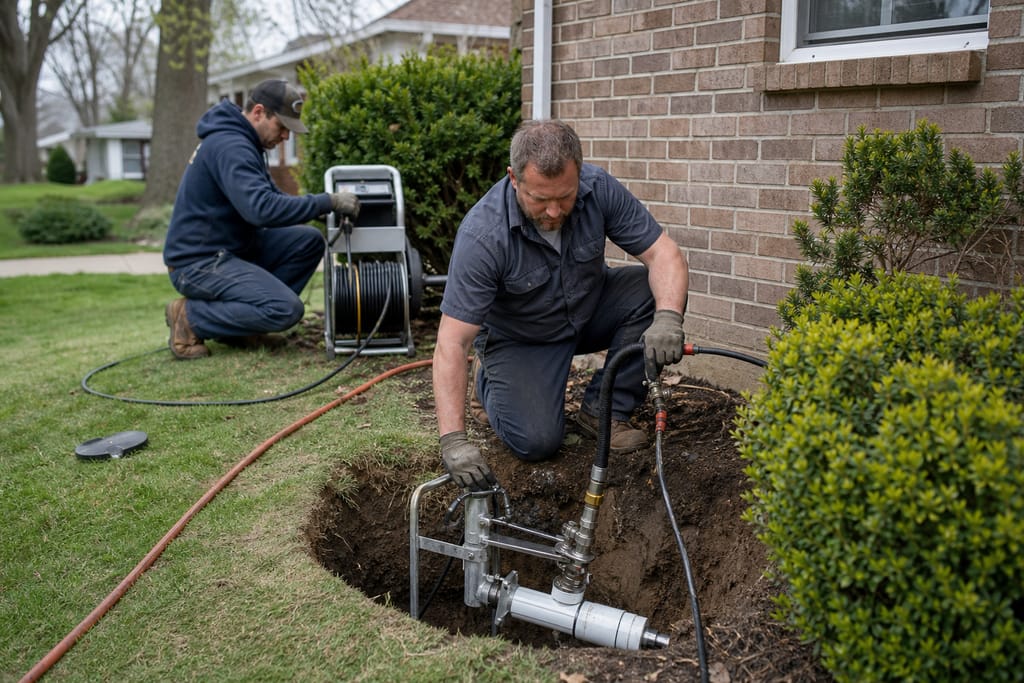
Fixes broken sewer lines with CIPP lining or pipe bursting, no-dig methods for older pipe. Free estimates.
Sewer Line Repair
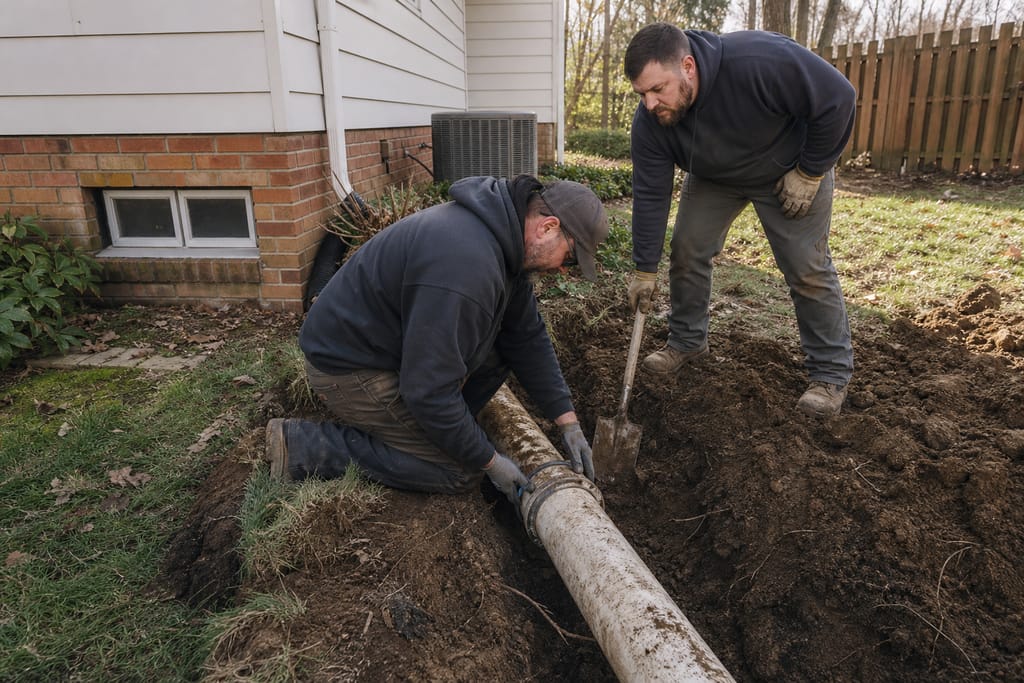
Sewer line repair in Fort Thomas, KY using trenchless spot repair and sealing. No full-yard dig. Free estimates: (502) 747-1439.
Pipe Bursting
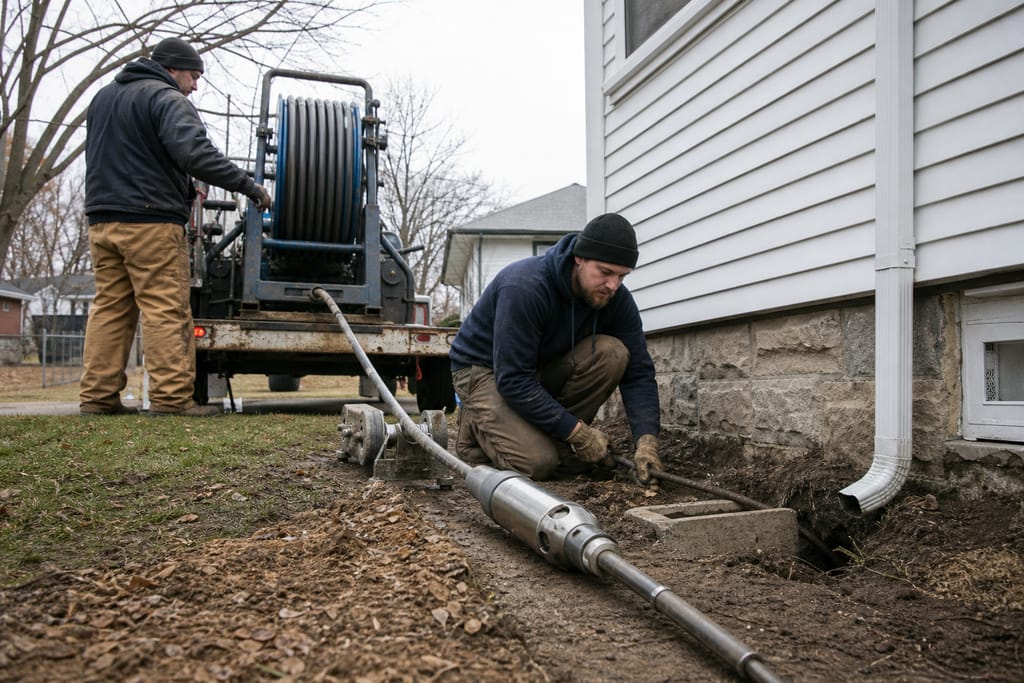
Pipe bursting in Fort Thomas, KY replaces collapsed sewer lines through two small access pits. Free estimates: (502) 747-1439.
Ask about CIPP Pipe Lining
Tell us about the project and how to reach you.